
Is Simplified Chinese Pokémon a sensible first range?
It can be, but choose the buyer before the stock. Are you serving collectors who already want Chinese editions, or existing customers willing to try a clearly explained release? Ask which exact product they would buy, whether they want it shipped sealed or opened live, and what delivered price they would accept. Interest in a character alone is not a purchase plan.
If your viewers want English-language products, a cheaper Chinese box is not automatically a substitute. If you cannot identify the edition, explain its pack format or answer what the buyer receives, learn those products before committing to a show. You can test Chinese products alongside a range you already understand instead of making an unfamiliar language your whole business.
One buyer discussion about Chinese Pokémon on Whatnot objects to pressure and scarcity claims. Treat that as a specific trust problem, not a measure of market demand: explain the actual edition and offer, without promising rising values, rare pulls or an unverified end of production.
Still deciding what to show? Ask our wholesale team for two or three livestream picks, then check which fit what your viewers want to buy.
Choose sealed delivery or a personal opening before ordering
For a first test, a straightforward offer is easiest to prepare: one buyer purchases one named sealed box and receives it unopened. The same stock can support a fixed-price listing while you introduce it live; you do not need a complicated game to make the product sellable.
A personal opening is different: one buyer purchases the whole named pack or box, you open it live, and your offer specifies that they receive its full contents. It adds card handling, sorting and protection to every sale. Only offer it if you can do those jobs while running the stream.
Whatnot’s Card Breaks Policy applies its full-visibility requirement to these single-buyer openings: keep the product, hands, tools and cards on screen from sale through the opening. A multi-buyer break, which divides contents among buyers, has additional rules. Leave that format out of your beginner test unless you have separately checked and can meet the full policy. Do not add prize wheels or outcome-based bonuses to this plan.
Build listings that a late-arriving viewer can understand
Complete Whatnot’s seller application and verification, check your eligibility and any category approvals, then follow its first-show checklist. Buying stock does not grant selling access.
Prepare each listing before the show. State the language, release, pack format, quantity and delivery format. For example: “Simplified Chinese Collect 151 Journey 旅 — 5-card-pack format — one sealed booster box, shipped unopened.” Add the confirmed number of packs per box from the actual supplied product; do not infer it from cards per pack.
Collect 151 Journey comes in both 5-card and 20-card pack formats. A listing for “three Journey 5-card packs, shipped sealed” from the Journey 5-card booster box is a different offer from one 20-card pack or a whole booster box. “Chinese 151” alone does not tell the viewer which one they are bidding on. Use your own clear photographs of the actual stock, show the label and any damage, and keep the title consistent with the item. Whatnot’s listing rules require accurate descriptions and actual-item photos.
Repeat the language and selling unit when you pin the item. A viewer who joins halfway through should not have to guess whether the price buys a pack, a box or an opening.
- A steady camera
Keep the pack, hands and opened cards in frame.
- Clear light
Check that 旅 / 望 and the cards-per-pack label can be read.
- Separate stock & orders
Separate sealed boxes, loose packs and each buyer’s opened cards.
- Weigh & label
Weigh a protected pack order and a boxed order separately.
Printer access can be shared; this is a readiness check, not a shopping list. Seller eligibility and approvals still come first.
Price sealed packs, whole boxes and live openings separately
Start with the exact item you will pin. For one sealed Journey booster box, use that box’s landed cost and the packaging needed to protect its corners. For three Journey 5-card packs, work out the cost of those three packs: divide the landed box cost by its confirmed pack count, then multiply by three. The catalog reference for the Journey 5-card booster box is 15 packs per box, which makes five groups of three if that count is confirmed for your batch. Unsold packs from the opened box remain inventory; they are not earnings from this order.
For a personal opening of those same three packs, the buyer receives all their contents. Add the sleeves, protective holders and packing materials you actually use, plus time to open, sort and protect the cards. Price the service before opening: do not rely on pulling a valuable card to make the sale worthwhile, and do not price the buyer’s contents as if they will be yours to resell.
Check your applicable Whatnot fees and seller-funded shipping or discounts for each offer. Then ask: if just one bidder wins these three packs at my starting price, can I fulfil that order at an acceptable return? A first-show Pokémon seller described early items selling cheaply with little competition. That is one seller’s experience, but it is a useful reason not to copy a busy channel’s low-start auctions.
Use Buy It Now or a sustainable opening bid for the first batch. Choose which boxes must stay sealed for box buyers and how many you can release for pack sales; do not open another box merely to keep the stream moving. Keep enough cash for card protection and shipping without depending on the next payout.
Illustrative sealed-pack order only. Every dollar amount below is assumed: neither a product quote nor a Whatnot fee rate. Replace them with the costs that apply to your order.
- 3 packs × $3 landed cost
- $9
- Assumed fees for this order
- $2
- Pack protection & mailer
- $1
- Seller-funded shipping
- $1
- Balance before other costs
- $2
3-pack sale$15
Costs shown$13
Before time & other costs$2
Opening the same packs live? If extra card protection adds an assumed $0.50, the balance falls to $1.50 before opening and sorting time. Both balances exclude time, overhead, taxes and order problems; neither is net profit. A valuable pull still belongs to the buyer.
Rehearse an order, not just an introduction
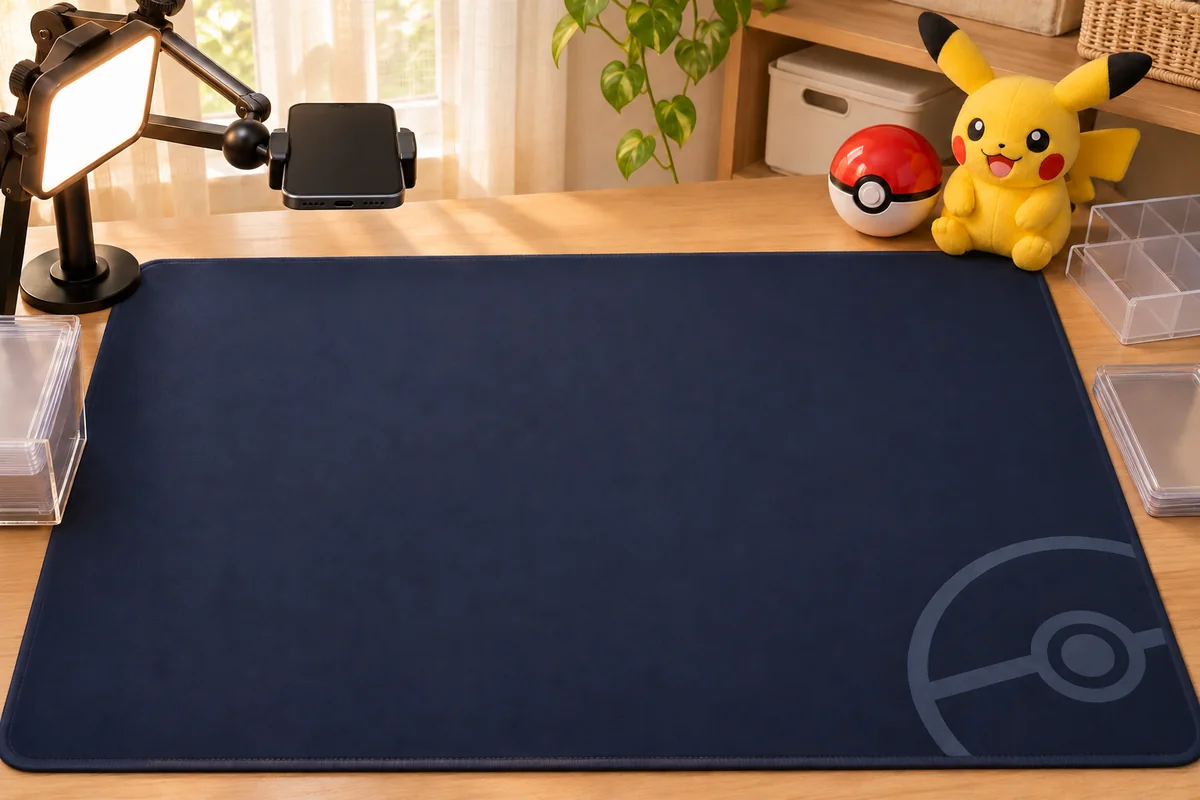
Set up a steady phone or camera, clear lighting, power and a reliable connection. Keep a scale, suitable packaging and access to a label printer ready. A second screen can help you manage listings and chat if using the streaming phone makes you lose track of the product.
Separate unsold stock from sold orders. Give each release and format a short stock code that matches its listing. Reserve only inspected, uncommitted stock for the show; products already promised to shop customers or still in transit cannot fill these listings. If you buy boxes but sell packs, count and track the packs you make available instead of retaining the original box quantity.
Practise this sequence: identify the item on camera, show its condition, pin the correct listing, explain the selling unit, then move the sold item to its order’s labelled tray or bag. For personal openings, rehearse opening and sorting without moving the product or cards out of view. Play back a camera test to check the Chinese subtitle is legible and your voice is clear.
Use Rehearsal Mode if your account has it; Whatnot says some new sellers only unlock it after their first live show. You can still record a practice presentation and order-sorting run before selling.
- Identify
Say ‘Journey 旅, Simplified Chinese, 5-card packs’.
- Show
Show the actual pack seals or box corners.
- Pin listing
Select the matching release and pack format.
- Explain unit
State ‘three packs sealed’ or ‘all cards from three packs’.
- Separate order
Keep that buyer’s packs or full card contents together.
Personal opening: keep the product, hands, tools and cards on screen from sale through opening. One buyer receives the full contents; multi-buyer breaks require a separate policy check.
Finish each sale with the right parcel
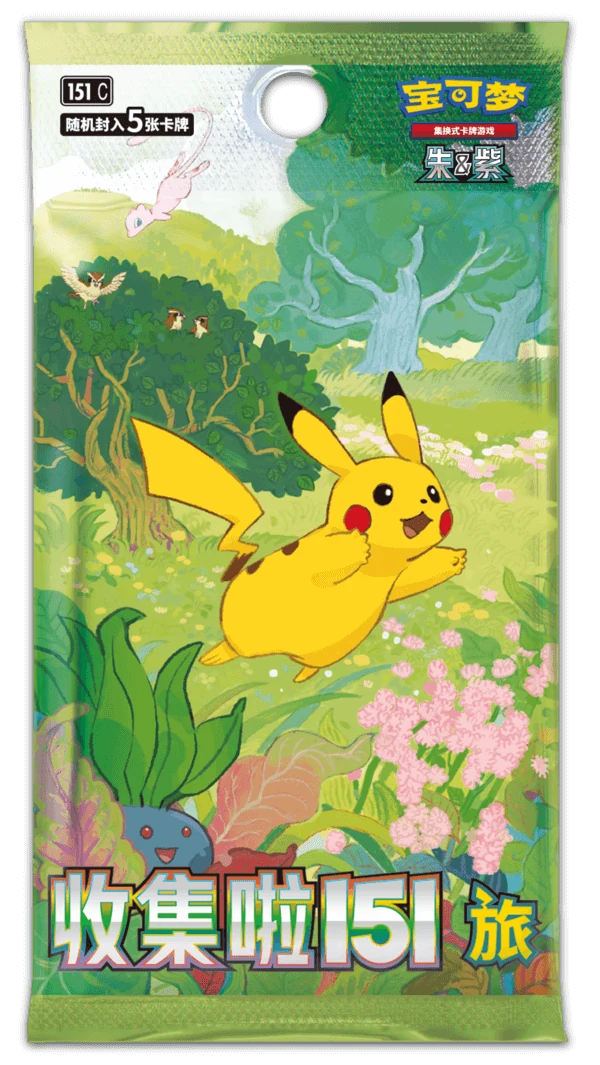
2 sealed packs5 cards per pack · ship unopened
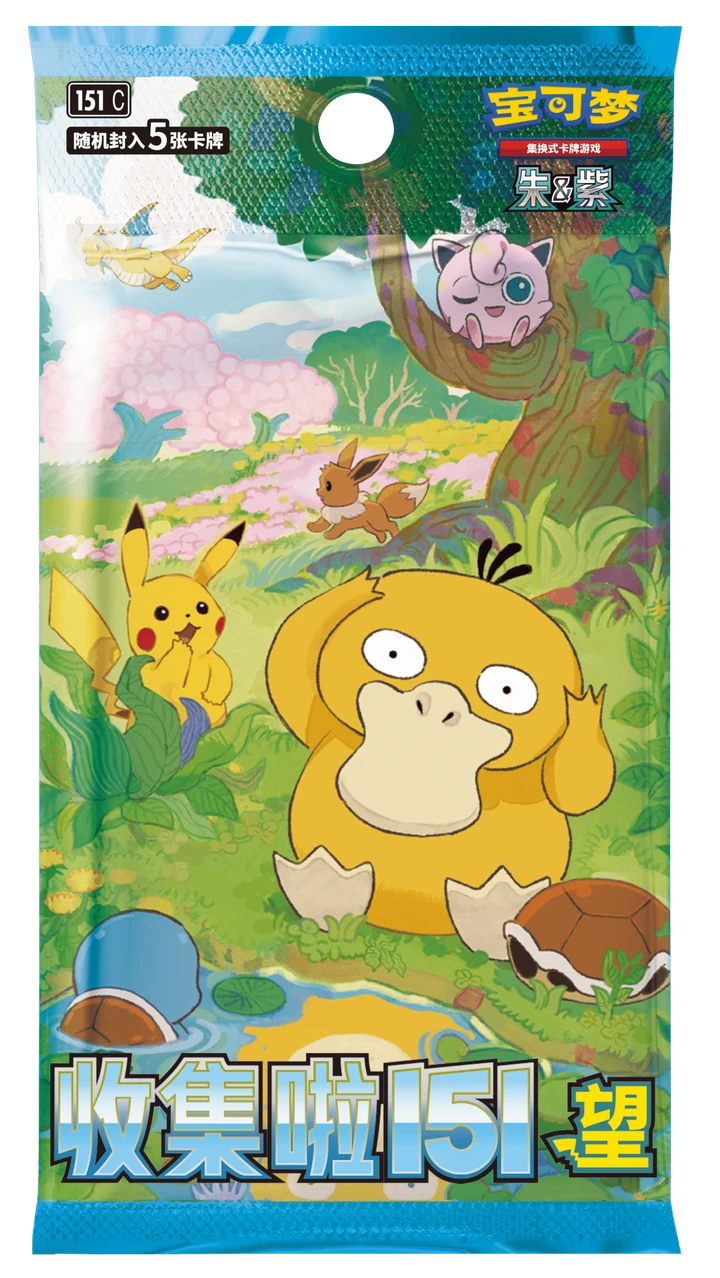
1 sealed pack5 cards per pack · ship unopened
Opened live instead? Keep that buyer’s full card contents in a separate labelled tray. A sealed-pack photo does not describe an order of opened cards.
Illustrative order sorting · original Journey / Hope pack artwork.Use Whatnot’s new-seller shipping checklist before opening sales. Weigh the product with its packing materials, check your shipping settings and confirm your return address and label setup. A sealed box and the cards from an opening may need different packaging; do not copy a loose-card shipping profile onto a box.
After the show, match each item to the actual order record, review cancellations and bundled shipments, and check the final parcel weight before generating labels. Compare the parcel contents with the order once more before sealing. Keep the listing description and your item-condition records available if a buyer reports a discrepancy, and use the platform’s order-support process to resolve it.
Plan time to meet the shipping deadline shown for your orders. Earnings becoming available and money reaching your bank are separate from making a sale; check your payout status before using those funds to buy the next batch.
Review which Pokémon packs sold before opening another box
Keep separate results for Journey 5-card sealed packs, Journey 20-card sealed packs, sealed boxes and personal openings. Record fulfilled orders, money left after their costs, unsold units and the questions viewers asked. Do not combine them into one “Chinese Pokémon sales” total: a buyer choosing three smaller packs has not demonstrated demand for a whole box.
If you opened a box for pack sales, count the remaining sealed packs before planning the next show. Track intact boxes separately. For personal openings, also record how long it took to sleeve and sort every buyer’s cards, whether any orders got mixed, and whether packing finished on time. A show can sell packs quickly while leaving more card handling than you can reliably complete.
Repeat the same release and format only when its completed orders leave an acceptable return and you can fulfil them reliably. When planning a repeat purchase, deduct available, uncommitted units of that exact release and format. Track confirmed incoming stock separately: count it toward a future show only if it is due before that show, and wait for arrival and inspection before listing it. At your planned review date, if that specific offer still only sells below your acceptable price, stop buying more of it; choose a sustainable listing or a deliberate clearance plan for the packs and boxes you already hold.
If few relevant buyers saw the packs, one quiet show has not tested that offer well. Try a clearer introduction or another time within your trial budget, using the stock already held.
- “Is this Japanese 151?” keeps coming up
- Make the language visible
Put “Simplified Chinese” and Journey 旅 in the title and spoken introduction. Show the actual wrapper before pinning the pack listing.
- 5-card packs sell; 20-card packs remain
- Keep the two formats separate
Record the remaining packs of each format. Sales of the 5-card version alone are not a reason to reorder the 20-card version.
- Viewers ask for packs, but sealed boxes sit
- Test a limited pack allocation
If your costs support it, allocate a small amount of existing stock to pack listings. Mark those boxes as opened and count every remaining pack; keep the rest sealed.
- Personal openings leave piles of unsorted cards
- Reduce opening slots
Finish one buyer’s full contents and labelled tray before the next opening. Include sleeving and sorting time when comparing this offer with shipping packs sealed.
If a pack listing only sells below your acceptable price, pause that listing and recheck its costs. Do not open or reorder another booster box to chase the loss.