
A new shelf addition or a show on a fixed date?
A regular customer wants to know whether your shop will carry the next Simplified Chinese release. A livestream viewer wants a pack opened on a particular evening. Both may lead you to preorder, but the promises are different.
For the shop, a preorder can support an upcoming addition to the range, with timing explained as provisional. For a dated show, late goods can leave you unable to deliver the advertised opening. If the event cannot move, plan it around stock already received and checked, or a separate product you can actually supply.
Legendary Sealed can discuss preorders for selected unreleased products. Whether a specific product is available to preorder still needs confirmation.
A release date does not describe your shipment
Pokémon China's Black Bolt and White Flare companion-product announcement gave November 6, 2026 as the mainland release date. That is a historical example of a launch milestone, not an overseas delivery commitment.
Keep four stages distinct: the announced release, the supplier's expected access to goods, handover to the carrier, and arrival at your address. A confirmed buying quantity is another fact; it does not collapse those stages into one date.
The Pokémon Center preorder FAQ separately explains that it cannot provide exact shipment or delivery dates for its preorders. Those are Pokémon Center's retail terms, not ours, but the distinction is useful when planning your own customer announcement.
- Official release
Record the announced launch date and its market.
- Supplier access
Ask when the supplier expects your exact release and format to be available.
- Carrier handover
Distinguish an expected dispatch from an actual shipment.
- Your receipt
Plan your local sale around delivery evidence and your receiving checks.
Confirm your quantity separately; it may be agreed before release. These dates do not substitute for each other.
Is the quantity requested or confirmed?
Before committing money, ask what the supplier has actually confirmed for your exact release and buying unit. “Preorders open” tells you that requests can be discussed. It does not, by itself, say that every requested case has been assigned to your order.
Ask whether the quantity is confirmed or still subject to allocation, what remains unsettled, and when you should expect an update. Record the agreed answer alongside the SKU and pack format. If you requested cases, keep their contents explicit rather than quietly converting the request into loose boxes.
Then ask how a reduced allocation, changed price or delayed batch would be handled. Agree those terms before paying; do not assume a cancellation option or a refund deadline.
Keep two separate entries in your buying notes: requested quantity and confirmed quantity. In a hypothetical two-case request with only one case confirmed, the second case remains unconfirmed; it cannot support an additional promised customer sale. Keep any customer commitments against the confirmed quantity, and keep arrival timing provisional until you have evidence for it.
Tell customers what you can support now
For regular customers following a release, you can discuss the product and ask who wants an update when your buying arrangements are clearer. Interest helps you plan, but it is not a paid sale. In a US collector’s preorder question, excitement about Zekrom did not remove concern about expensive third-party Black Bolt preorders. That different-market example is a reason to ask your own customers whether they want to order ahead at the proposed price or would rather wait—not evidence of Chinese-release demand.
A useful early message is: “We are checking interest in [exact Simplified Chinese release and format]. Our quantity and arrival date are not confirmed. This is an interest check; we will share the final offer when it is confirmed.” Use that wording only while those facts are true.
If your supplier has confirmed a quantity but not an arrival date, say what is confirmed and what is still estimated. Keep paid customer orders separate from the interest list, and record the quantity and timing terms each customer accepted. Avoid advertising a specific opening night from the manufacturer's launch date alone. Recheck the plan after dispatch and again after receiving and inspecting the goods.
The counterexample is a retailer whose customers are happy to buy the new release later. Waiting for available stock can be a sensible choice when the preorder terms are unclear or the required quantity would tie up too much of the shop's budget.
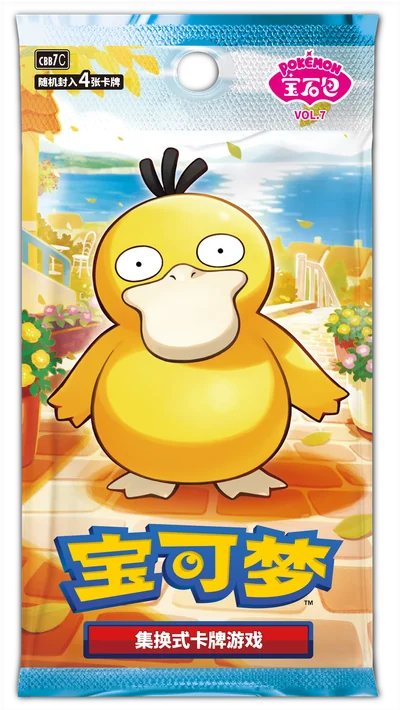 Gem Pack Vol.7 · CBB7C
A specific product identity. Its reference image does not confirm your allocation.
- Before quantity or arrival is confirmed
Describe an interest check clearly. Do not promise a guaranteed launch-night opening.
When the evidence changes, update the product, quantity and timing together.
Product reference used to illustrate the process; this is not an announcement of a current preorder or release date.Make the request fit the promise you intend to make
For a product-specific preorder conversation, send the release name, format, requested quantity and the reason timing matters. Then ask:
I plan to sell [sealed boxes / packs] to [my shop customers / livestream buyers]. Is this quantity confirmed or subject to allocation? What is the expected handover window? What happens if quantity, price or timing changes? My planned customer date is [date / flexible].
Before accepting the quote, decide the most cash you can leave committed if the batch is late, while still fulfilling existing orders. Use the reply to choose between preordering, reducing the commitment or waiting. If the price, confirmed quantity or timing changes, check it against that limit and update affected customer arrangements before accepting the revised plan. Keep the upcoming product separate from goods needed for your next confirmed sale. The useful result is a buying plan your customer promise can survive, rather than an early order placed simply because a new release has been announced.